We offer low prices with no hidden fees.
No hassle, no guesswork, simple easy contracts.
We always deliver on time and pick up on time.
We are a family-owned business here in Trenton.
Become one of our satisfied customers.
New Jersey is a state that has been plagued by the issue of waste disposal for many years. The state is home to numerous landfills, which have been a source of concern for both residents and environmentalists. the history and current state of New Jersey landfills, as well as the efforts being made to address the issue.
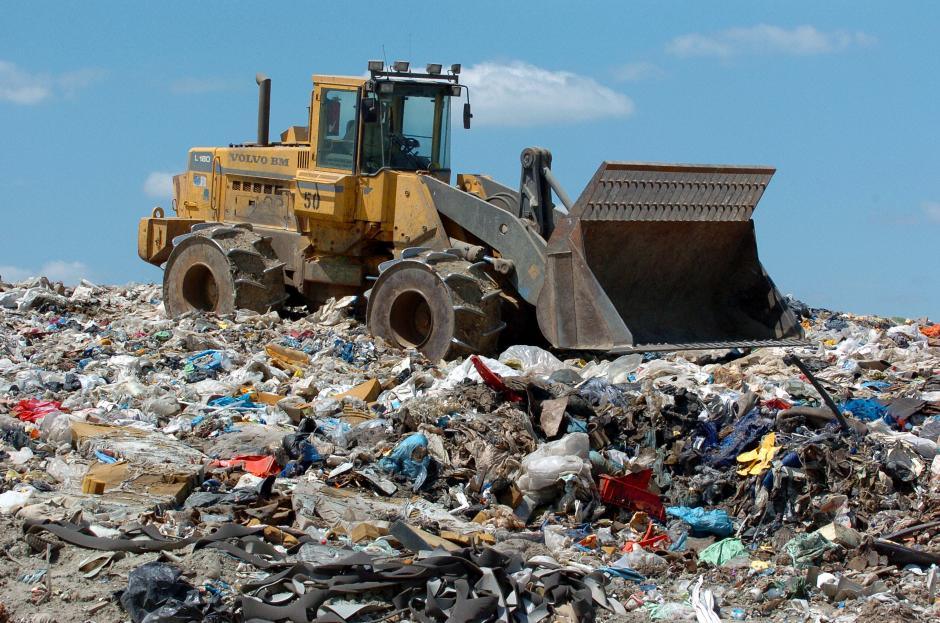
History of New Jersey Landfills
New Jersey has a long history of waste disposal dating back to the 19th century. The first landfill in the state was established in 1895 in Newark, which was also one of the first in the country. Over the years, numerous landfills were established throughout the state to accommodate the increasing amount of waste generated by the growing population.
However, by the 1960s, it became clear that the state’s landfills were reaching capacity and were not equipped to handle the increasing amount of waste being generated. This led to the establishment of the New Jersey Solid Waste Management Act in 1970, which aimed to address the issue of waste management in the state.
The Act established the New Jersey Department of Environmental Protection (NJDEP), which was tasked with regulating and overseeing waste management in the state. The act also encouraged the establishment of resource recovery facilities and other alternative waste management technologies.
Current State of New Jersey Landfills
Today, New Jersey is home to approximately 40 active landfills, which are regulated by the NJDEP. The majority of these landfills are privately owned and operated, while a few are owned and operated by the state or local municipalities.
One of the major concerns with New Jersey landfills is the issue of contamination. Many of these landfills were established prior to the establishment of modern environmental regulations, which has resulted in the release of hazardous materials into the environment. This has led to concerns about the impact of these materials on the health of nearby residents and the environment.
In addition, many of the landfills in the state are approaching capacity and are in need of closure or remediation. This has led to a push for more efficient and sustainable waste management solutions, such as composting, recycling, and energy recovery facilities.
Efforts to Address the Problem
In recent years, the state of New Jersey has taken steps to address the issue of landfill contamination and capacity. The NJDEP has implemented a number of regulations and initiatives to reduce waste, encourage recycling, and improve landfill management.
The state has also taken measures to encourage the development of alternative waste management technologies, such as composting, anaerobic digestion, and energy recovery. These technologies can help reduce the amount of waste sent to landfills and provide clean energy.
New Jersey has also taken steps to close and remediate contaminated landfills. The state has allocated funding to close and clean up old landfills and is working with local municipalities to ensure that they are properly managed.
Specific landfills in New Jersey
New Jersey has a number of landfills, some of which have been active for decades.
Kingsland Landfill: The Kingsland Landfill used to be one of the largest landfills in the country. It is in Lyndhurst, New Jersey. From the 1940s to the 1970s, it took a wide range of trash, including some that was dangerous. The site has since been capped and is now a nature preserve.
Fenimore Landfill: This landfill in Roxbury Township, New Jersey, was active from the 1950s to the 1970s and accepted municipal waste, construction debris, and industrial waste. In the 2000s, the site was reopened to accept construction waste, but it was found that the landfill was giving off bad smells and making people in the area sick.The site has since been closed and is being remediated.
Meadowlands Landfill: The Meadowlands Landfill was in Kearny, New Jersey, and it was open from the 1970s to the 1990s. It took trash from the surrounding area.The landfill was closed in 1991 and is now the site of the Meadowlands Environmental Center, which features exhibits on the environment and ecology of the region.
Edgeboro Landfill: This landfill in East Brunswick, New Jersey, was active from the 1960s to the 1980s and accepted a wide range of waste, including hazardous materials. The site has since been capped and is now a park.
Gloucester County Landfill: Located in Franklinville, New Jersey, the Gloucester County Landfill is currently active and accepts municipal solid waste from the surrounding area. Since the 1980s, the landfill has been collecting trash, and it is expected to keep doing so until it is full.
These are just a few examples of the many landfills in New Jersey. Over the years, the state has taken steps to regulate and mitigate the impact of these sites on the environment and nearby communities.
Summary
New Jersey has a long history of landfill use and junk removal. Over the years, the state has taken steps to improve waste management and reduce contamination from landfills. Today, the state is working to reduce waste, encourage recycling, close and remediate contaminated landfills, and promote alternative waste management technologies.
The management of New Jersey landfills is a complex and vital aspect of waste disposal and environmental conservation. The Dumpster Rental Trenton Team has played a crucial role in providing efficient and responsible dumpster rental services to facilitate the disposal of waste materials in compliance with state regulations.
We offer low prices with no hidden fees.
No hassle, no guesswork, simple easy contracts.
We always deliver on time and pick up on time.
We are a family-owned business here in Trenton.
Become one of our satisfied customers.
